


Description
The history of chicory
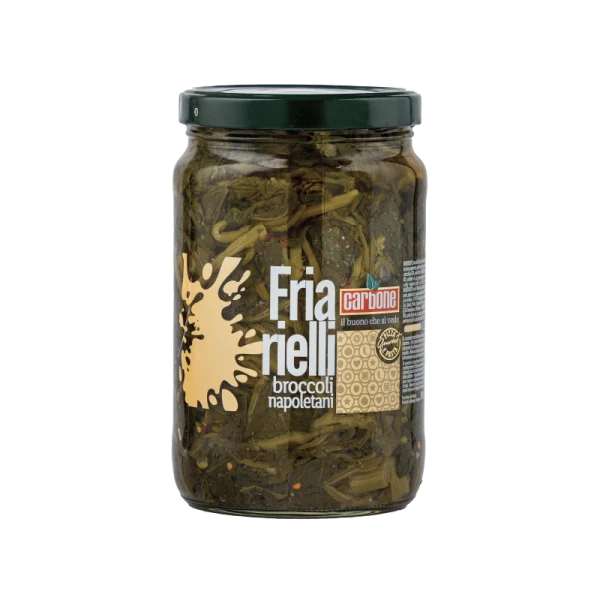
With its distinctive bitter flavor, chicory has been used since the Napoleonic era, when the root was used as a coffee substitute. Today, it is grown in the fields of the Sele Plain, harvested while still tender, stewed, and preserved in oil, seasoned with garlic and chili pepper to make it ready to be enjoyed.
In this article
The properties of this chicory stewed in oil
It's a very common but often overlooked plant. Rich in vitamins, it has important diuretic and purifying properties, stimulates the proper functioning of the pancreas and liver, and is beneficial for digestion.
How to use chicory stewed in oil
In the kitchen it is used as a side dish sautéed in a pan, to fill rustic pies and as an ingredient for pizza topping.
Storage after opening
Once opened, it should be refrigerated and consumed within a week, making sure to always leave the leaves covered with oil. The bitter taste mellows slightly with storage, making it palatable even to those who don't usually enjoy strong flavors.
The Sele Plain
Much of the raw materials Carbone processes come from the Sele Plain, in the province of Salerno: an area considered among the most fertile and suitable in Italy for growing vegetables and tomatoes, thanks to its mild climate, proximity to the sea, and rich alluvial soils. These conditions allow for consistent harvests of high quality and regular ripening throughout the season.
The artisanal workmanship
The vegetables and greens processed by Carbone follow traditional preparation methods, often based on recipes from Campanian peasant cuisine: slow cooking, seasoning with simple ingredients like oil, garlic, and aromatic herbs, and preserving in jars without the use of additional preservatives. This method prioritizes the authentic flavor of the raw ingredients over industrial standardization.
From the home table to the restaurant
Products designed for both everyday family use and professional catering, where short preparation times and consistent quality are essential: ready-to-use, they can be served as is or as a base for more elaborate preparations.
Seasonality and harvest
Many of the vegetables Carbone processes follow a seasonal harvest schedule, which determines their availability and quality throughout the year. Working seasonally often means sacrificing consistent year-round availability, while maintaining a higher quality of raw materials than forced or imported crops grown out of season.
A ready-to-use product
Processing and preserving them in jars allows you to always have a ready-made ingredient on hand in the pantry, without having to deal with the cleaning, cooking, and seasoning times required for fresh produce: a practical advantage that doesn't compromise flavor, thanks to a process designed to preserve the vegetable's original characteristics.
Without waste
Preserving vegetables in oil or jars reduces waste associated with the perishability of fresh vegetables, preserving the organoleptic characteristics of the product, harvested at the perfect ripening point, for a long time, ready to be consumed even months after harvest.
A versatile product at the table
Whether served as an appetizer, side dish, or ingredient to enhance a first course, this product is suitable for a variety of occasions: from a quick everyday meal to a more refined aperitif with guests, without requiring additional preparation time compared to what is already prepared in the jar.
A detail that makes the difference
Even seemingly simple products hide precise choices made during the production process: cooking time, temperature, and the amount of seasoning added. Small details that, when added together, make the difference between an ordinary product and one carefully crafted down to the last step.
Discover the other products in the category Preserves and Pickles and the proposals of Coal. To learn more about Carbone, visit the official website of the manufacturer.
recensioni
There are no recensioni yet