


Description
Calamarata Rigata PGI Gragnano: characteristics of the format
There Calamarata Rigata IGP Il Vecchio Pastificio di Gragnano 500g It is a large ring-shaped pasta shape that resembles squid cut into rounds — from which it takes its name.
In this article
The external ridges of this PGI calamarata rigata, which distinguish it from the smooth version, increase the adhesion of the sauce: ideal especially for seafood sauces—squid, clams, shrimp, octopus—which literally enter the rings creating complete bites.
The tradition of the Gragnano Pasta Factory
In keeping with Gragnano's centuries-old tradition, Il Vecchio Pastificio di Gragnano produces, every day under the watchful eye of its master pasta maker, artisanally crafting the highest-quality Gragnano PGI Pasta. The finest durum wheat semolina is selected and blended only with the fresh water from Gragnano's pure, age-old springs, with passion, care, and skill.
Calamarata Rigata PGI is slowly drawn using only bronze dies, as history teaches, which give the pasta an extraordinary roughness; it is dried only at low temperatures, very slowly.
Ingredients: Durum wheat semolina, Gragnano water. This Gragnano PGI calamarata rigata is made with just these two ingredients, in full compliance with the specifications.
Gragnano PGI Pasta
Gragnano, in the province of Naples, has been known for centuries as the "city of pasta": the unique orientation of the streets in the historic center, oriented to favor the passage of the winds, once allowed the pasta to dry naturally by hanging along the streets. This tradition, which dates back to the 18th century, led to the recognition of Pasta di Gragnano as a Protected Geographical Indication (PGI) in 2013, a trademark that protects the production method and the product's provenance within a defined geographical area.
Bronze drawing and slow drying
The Gragnano Pasta PGI specification requires bronze die-cutting, a technique that creates a rough and porous surface, ideal for holding sauces better than Teflon dies, which are shinier and more slippery. Drying occurs at low temperatures and for longer periods than industrial standards: a slow process that preserves the organoleptic properties of the durum wheat semolina and ensures optimal cooking, even for the most delicate or short pasta shapes.
Water and climate make the difference
Another distinctive factor is the water used for the dough: the springs of the Lattari Mountains, which surround Gragnano, provide water low in mineral salts, a characteristic that, according to local tradition, contributes to the yield and neutral flavor of the pasta, leaving room for the toppings to fully express themselves.
How to recognize authentic Gragnano pasta
The PGI mark is guaranteed by a protection consortium that verifies compliance with the specifications throughout the entire supply chain, from semolina selection to packaging. Only pasta factories operating within the historic Gragnano area, following the required drawing and drying parameters, can use this designation on their labels, guaranteeing a verified, not just declared, production method.
Pairings according to tradition
Each pasta shape historically pairs best with a certain type of sauce: short, rough shapes hold thick meat or legume-based sauces well, while long shapes lend themselves to smoother sauces like oil, fresh tomatoes, or seafood. This is an often overlooked detail, but in Italian cuisine, it plays a crucial role in the success of the final dish.
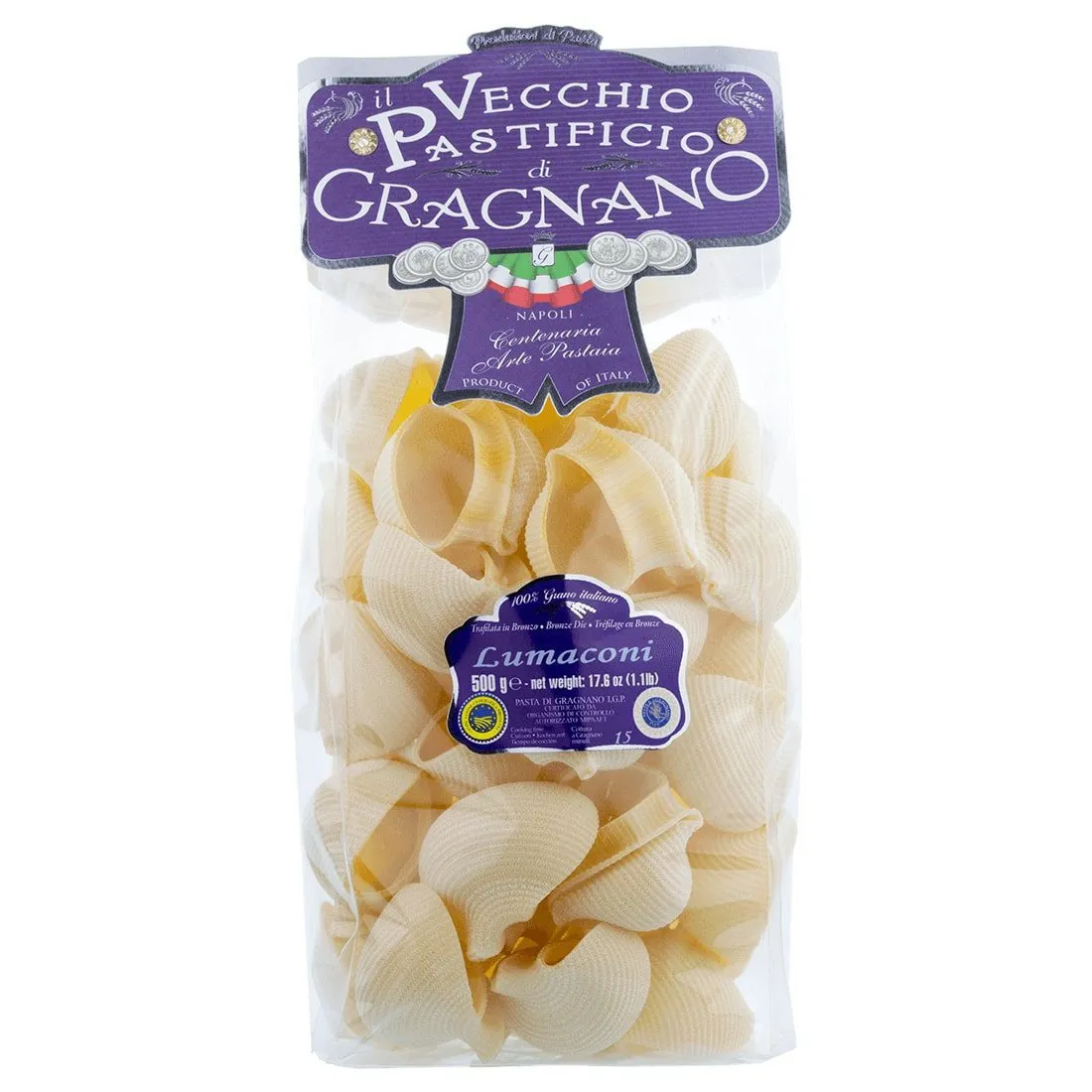
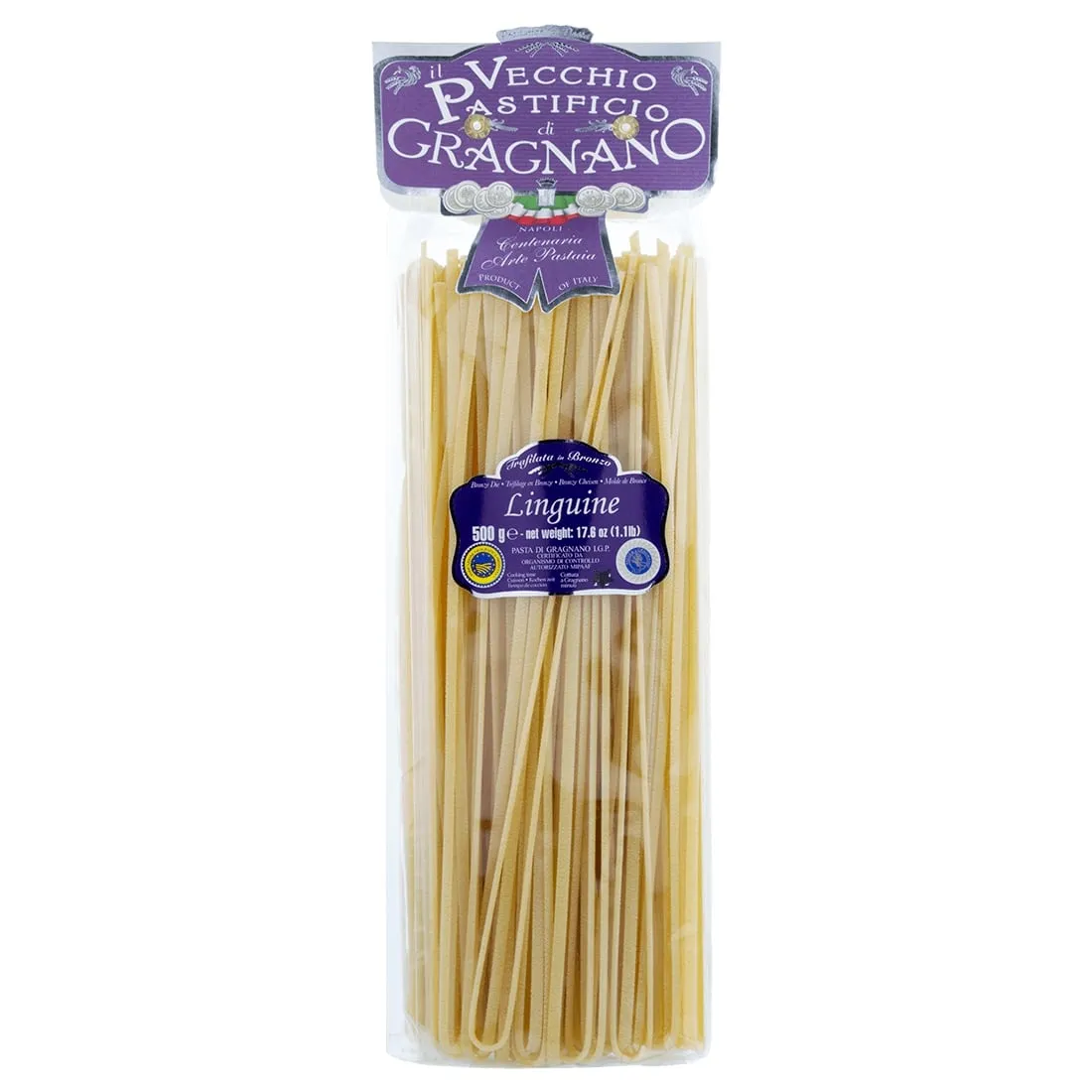
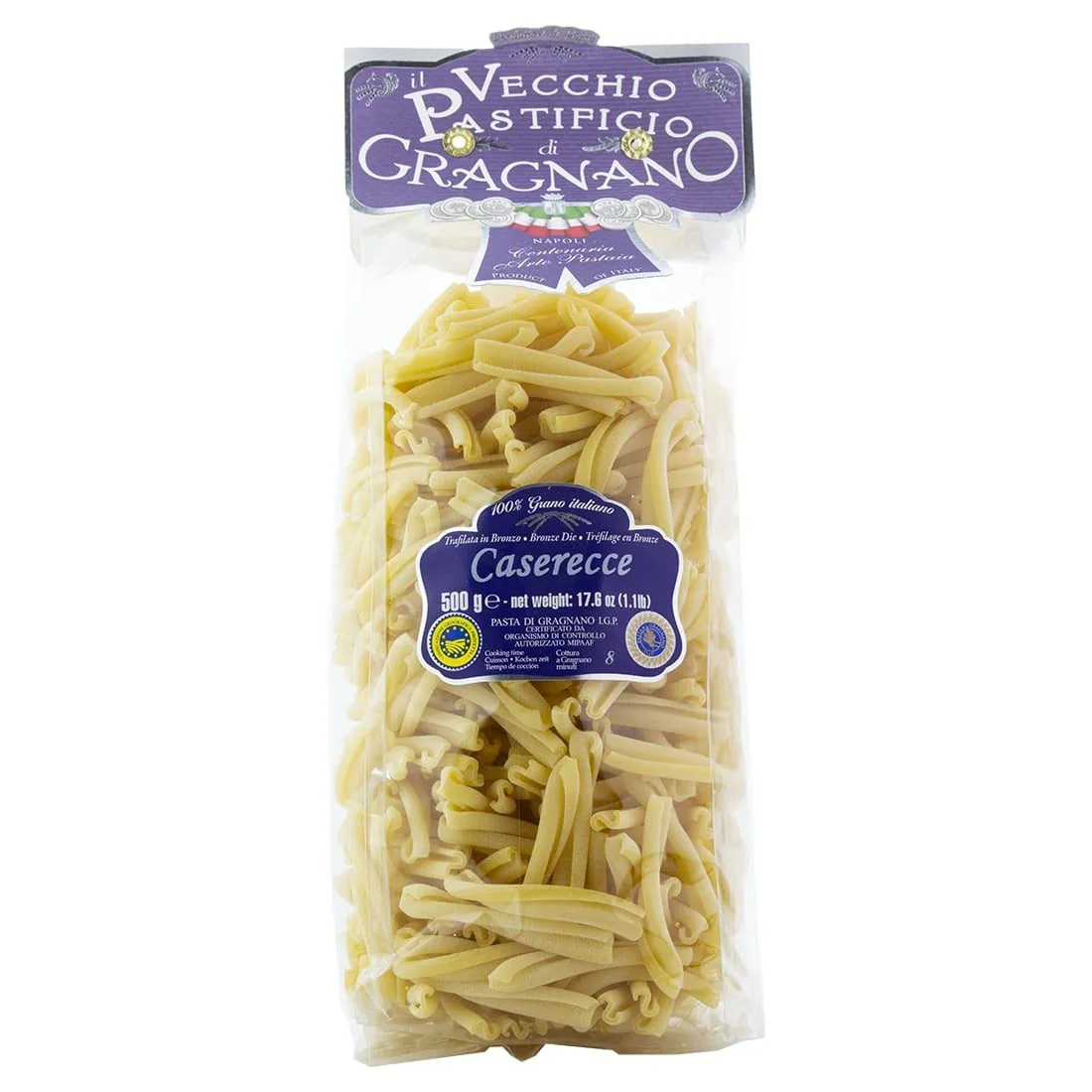
Discover also the other formats of the Artisan Pasta and the proposals of The Old Pastificio di Gragnano. To learn more about Il Vecchio Pastificio di Gragnano, visit the official website of the manufacturer.

Pastificio ????