


Description
Alba Caputo Flour
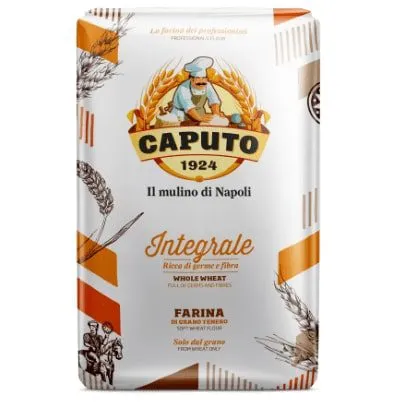
There Alba Caputo flour It's a type "00" soft wheat flour, made exclusively from wheat. It's a professional flour, specifically designed for making brioches, doughnuts, and puff pastry, making it ideal for sweet doughs, light leavened products, and pastries.
In this article
The technical characteristics
With a strength index W 260/280 and a protein content of 12.75%, this flour is designed for long leavening: its structure supports the typical puff pastry of brioche well, while maintaining the lightness necessary for pastry products.
How to use it
Perfect for those who prepare brioche, Neapolitan doughnuts, and sweet pastries at home or in the kitchen, it produces soft, well-leavened doughs that maintain their structure and lightness even after baking.
Discover the others Caputo flours available and all the proposals of the Mulino Caputo. To learn more about Mulino Caputo, visit the official website of the manufacturer.
The Caputo Mill
Mulino Caputo was founded in Naples in 1924 and is now a leading Italian milling company for flour used in bread and pizza. The selection of grains, chosen seasonally to ensure consistent quality over time, is an in-house process managed by the mill, which boasts extensive experience in supplying flour to professional restaurants as well as home use.
Why wheat choice matters
The quality of a flour depends largely on the strength (W) and water absorption capacity of the original grain: characteristics that determine the dough's ability to retain the carbon dioxide produced during leavening, ensuring volume and air bubbles. For this reason, Caputo selects grains based on the flour's intended use, distinguishing between products designed for Neapolitan pizza, long-leavened bread, or more complex leavened baked goods such as panettone and colomba.
A tradition that looks to the world
While remaining deeply rooted in Naples and its milling tradition, Mulino Caputo is now known and used by pizza chefs and bakers around the world, becoming a point of reference over the years even for those approaching home baking for the first time.
From grain to flour
Roller milling, now standard in the milling industry, allows for the precise separation of the different components of the wheat kernel: bran, germ, and endosperm. Depending on the extent to which these components are reintegrated into the final flour, products with very different characteristics are obtained, from refined white flour to whole wheat flour, which is richer in fiber.
A link with Neapolitan tradition
Naples and pizza have always been closely linked, and choosing the right flour is considered by Neapolitan pizza chefs as important a step as leavening or baking in a wood-fired oven. It's no coincidence that many of the city's historic pizzerias continue to use flour from this mill, perpetuating a bond that has lasted for generations.
Flour storage
To preserve the flour's characteristics over time, it's best to store it in an airtight container, away from light, humidity, and heat. Proper storage prevents the fats naturally present in wheat germ from rancidifying and preserves its water-absorbing properties, ensuring consistent results, batch after batch.
What to look for on the label
In addition to the type of flour, it's worth checking the label for the protein content and expiration date: a higher protein content generally indicates a flour more suitable for long leavening times, while fresh flour guarantees more consistent results when kneading.
A detail that makes the difference
Even seemingly simple products hide precise choices made during the production process: cooking time, temperature, and the amount of seasoning added. Small details that, when added together, make the difference between an ordinary product and one carefully crafted down to the last step.


recensioni
There are no recensioni yet