 English
  Italiano
  Français
  Deutsch
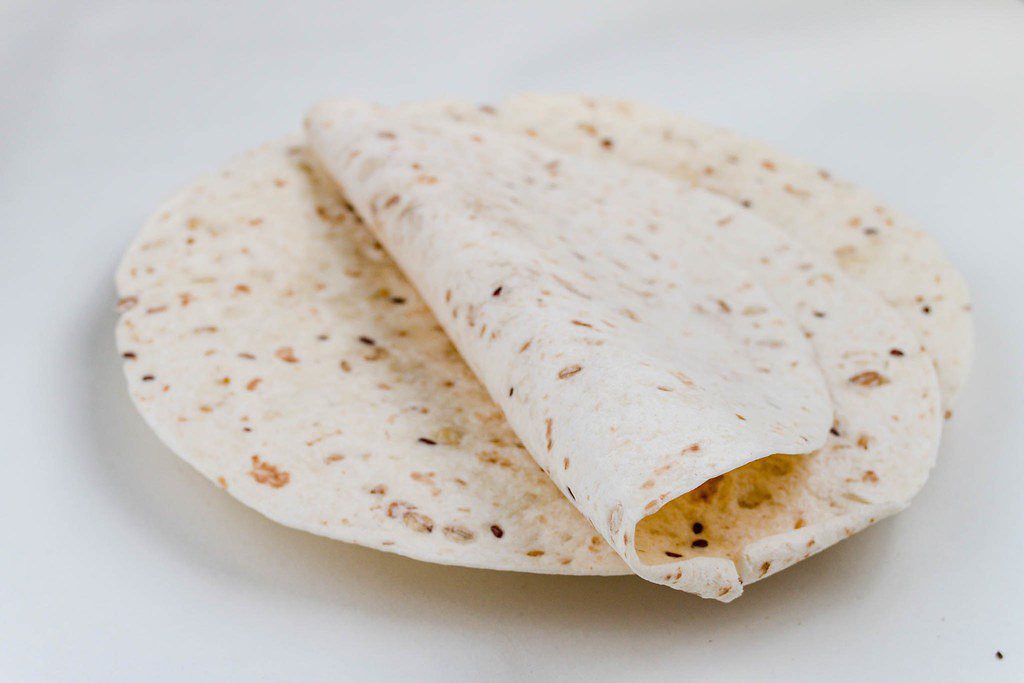
Piadina Romagnola Recipe Without Lard
There is nothing simpler and tastier than a good one Piadina from Romagna, a poor recipe with ancient origins loved, but loved and appreciated all over the world.It can be stuffed with any ingredient, cooked ham, rocket, mozzarella and anything else that comes to mind, the result will always be extremely appetizing!Follow our recipe to get an excellent Romagna piadina without lard with Extra virgin olive oil.
Equipment
- Bowl
- Cooking pan
Ingredients
- 300 g Flour "00"
- 150 g water
- 30 g Olive oil Extra Virgin
- 5 g salt
Instructions
Preparation
- In a bowl, add the flour and water until completely absorbed, then add the extra virgin olive oil, finally, add the salt and knead until it forms a smooth, soft and well-strung dough.
- Divide the dough into 4/5 balls, depending on how many wraps you want to get.
- Cover the balls with a sheet of cling film and let them rest for about 30 minutes, finally, roll out each dough into disks with a thickness of about 2-3 mm.
Cooking
- Heat a non-stick pan over medium-low heat, and when hot, place one flatbread at a time and cook until the bottom is slightly golden, then turn it over and finish cooking the second side.
- Proceed in the same way for cooking the remaining wraps.
Notes
The wraps can be stored for up to two days at room temperature, or longer if frozen.
They might interest you ...
-
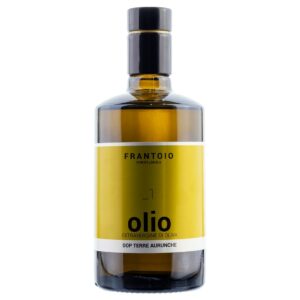
 DOP Porto di Mola Extra Virgin Olive OilOriginal price was: €10,50.€7,00Current price is: €7,00.
 -
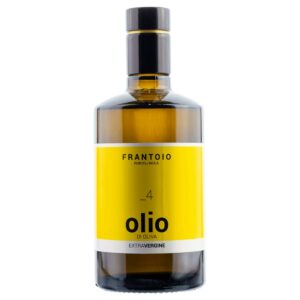
Porto di Mola Extra Virgin Olive OilOriginal price was: €9,00.€6,00Current price is: €6,00.
-
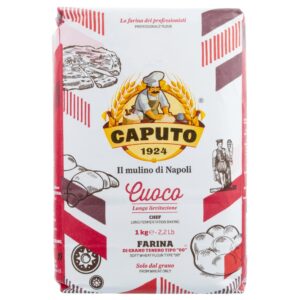
Caputo “Saccorosso” Cook Flour 1 KgOriginal price was: €2,15.€1,64Current price is: €1,64.
-
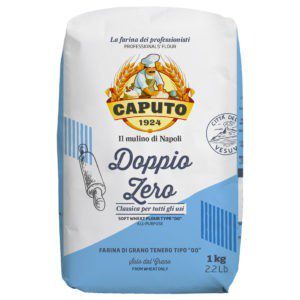
Double Zero Classic Flour Caputo 1 KgOriginal price was: €1,99.€1,55Current price is: €1,55.


3 comments
Buongiorno, salvo clamorosa svista da parte mia, mi sembra che l’articolo non riporti però la ricetta della piadina romagnola
Salve, grazie per la segnalazione, c’era un problema con la pagina ed è stato risolto.
Ottima ricetta!